If you want to understand where a community is going, look closely at how it remembers where it has been. Modern society is often fixated on what lies ahead—relentlessly pursuing technological breakthroughs, personal milestones, and future iterations of ourselves. In this sprint forward, the past is frequently viewed as baggage to leave behind. Yet Biblical tradition offers a profound counter-narrative, proposing that the future belongs entirely to those who preserve their history.
This ancient perspective comes alive during the Feast of Tabernacles, known in Hebrew as Sukkot. Occurring just five days after the solemn, introspective observance of Yom Kippur, Sukkot is a tactile, vibrant, and joyful festival. It invites participants to step into tomorrow by physically recreating the uncertainties of yesterday.
The Power of Memory
Within Jewish philosophy, memory is never treated as passive nostalgia; it is an active, forward-looking responsibility. As the Baal Shem Tov, the founder of Hasidic Judaism, famously stated, “Forgetfulness leads to exile, while remembrance is the secret of redemption.” To forget is to lose one's moral grounding, drifting through the present without context or purpose. To remember, by contrast, is to gather historical lessons and convert them into building blocks for a better world.
The Holocaust survivor and Nobel Laureate Elie Wiesel frequently spoke on this ethical duty. In his memoir Night, he wrote, “To forget the dead would be akin to killing them a second time.” For Wiesel, memory was not a trap keeping humanity bound to past grief, but a crucial warning mechanism designed to protect upcoming generations. We look back not to remain imprisoned by tragedy, but to ensure that historical suffering does not dictate future horizons. Memory acts as the internal compass guiding a people through the unknown.
Building the Sukkah: Memory in Motion
The genius of Sukkot lies in its refusal to leave memory as an abstract mental exercise. Instead, it translates remembrance into physical activity. The biblical commandment directs participants to leave the security of permanent homes and reside in sukkot—temporary, fragile booths—for seven days to recall the forty years of desert wandering after the Exodus from Egypt.
Engaging in this physical effort carries immense psychological benefits. Constructing a sukkah requires manual labor: erecting temporary walls and covering the roof with loose foliage, palm branches, or bamboo. Through these tangible actions, history becomes encoded into muscle memory. Abandoning climate-controlled rooms to eat, gather, and sleep inside a delicate hut creates a lived reenactment of historical transience. It forces a direct confrontation with human vulnerability.
The late Rabbi Lord Jonathan Sacks framed this dynamic around the idea of finding faith within instability. In his writings on the holiday, Rabbi Sacks reflected, “It is the candid acknowledgment that there is no life without risk, yet we can face the future without fear when we know we are not alone.” He noted that while Jewish history is marked by displacement, Sukkot transforms structural fragility into a celebrated source of spiritual resilience.
Physical Rituals and Open Skies
These kinetic acts extend into the ritual handling of the Four Species: the lulav (palm branch), etrog (citron), hadas (myrtle), and aravah (willow). Bound together, these botanicals are waved in six directions—east, south, west, north, upward, and downward. This sensory ritual anchors the individual in the present while acknowledging an encompassing spiritual presence. It serves as a physical reminder that ultimate security stems not from fortified walls, but from internal faith and community cohesion.
The physical structure of the sukkah reinforces this theme through its roof, known as the schach. Jewish law requires that this temporary canopy remain sparse enough for those inside to glimpse the night sky. Looking up through the leafy roof connects the observer to the same stars that guided ancient ancestors through the wilderness—the very stars referenced when Abraham was promised an enduring heritage.
Highlighting this contrast between artificial security and genuine connection, Rabbi Sacks observed, “Joy doesn’t come from great buildings of brick and stone—it doesn’t come from what we shut out—but from what we let in. Joy comes from a roof open to heaven, a door open to guests, and a heart open to thanksgiving.”
Stepping Into Tomorrow
Ultimately, Sukkot demonstrates that a community grounded in memory possesses an enduring future. A permanent structure, once destroyed, leaves devastating ruin behind. But a sukkah, blown down by the wind, can simply be rebuilt the following morning.
By stepping outdoors, building with raw materials, engaging the senses, and gazing at the open sky, history is brought back to life. Vulnerability is recast not as weakness, but as a bridge to gratitude and shared humanity. When we carry historical memory forward and embrace the fragile beauty of the present, we can step confidently into tomorrow—guided by hope rather than fear.
The Ultimate Tabernacle
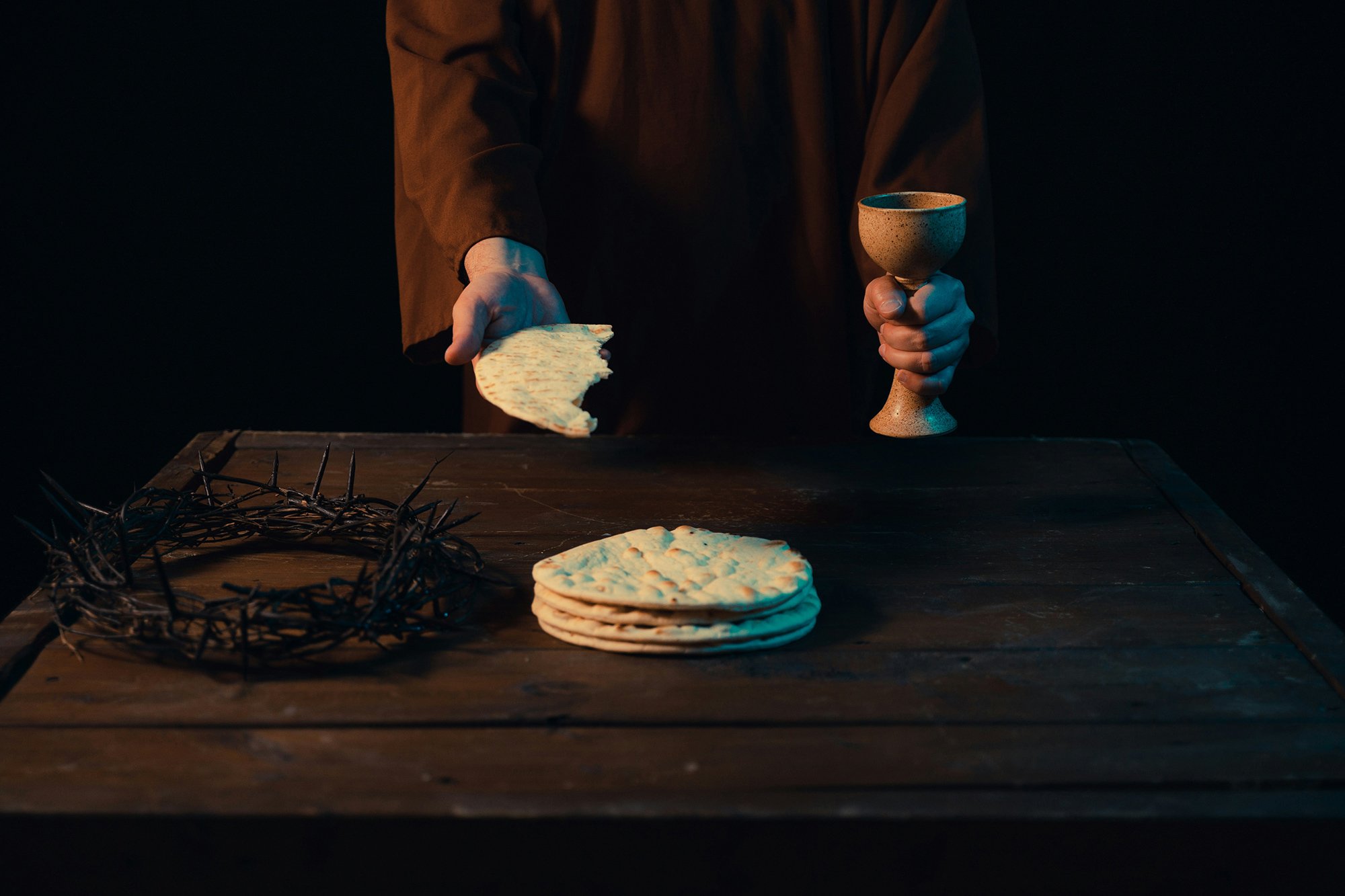
For Christians, the progression of the biblical fall holidays holds a deeply profound and prophetic significance. The Feast of Tabernacles arrives immediately on the heels of Yom Kippur, the Day of Atonement. In the Christian narrative, Jesus Christ’s sacrificial death on the cross serves as the ultimate fulfillment of Yom Kippur. Because this total and final act of atonement has been secured, believers are freed from the isolating weight of sin and invited to step fully into the profound, celebratory joy that Sukkot represents.
Yet, the present Christian journey mirrors the experience of dwelling in the sukkah. As the Apostle Paul wrote to the Corinthians, our earthly bodies and lives are mere "tents"—fragile, temporary dwellings meant for a season. From a Christian perspective, the Feast of Tabernacles invites believers into a posture of hopeful expectation. It points beyond the historical wandering of the Israelites toward the promised return of Jesus, when the need for temporary shelters will finally end.
Christians look forward to the ultimate fulfillment of this festival described in the Book of Revelation, which declares: "Look! God’s dwelling place is now among the people, and he will dwell with them." Until the day of Jesus' return, believers remember God's past faithfulness, resting in the assurance that our temporary, vulnerable state on earth is simply the precursor to a permanent, eternal home with Him.